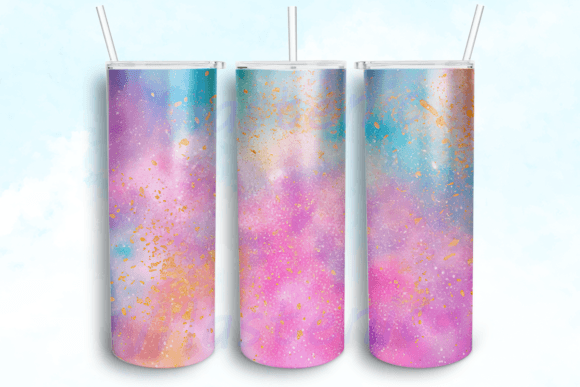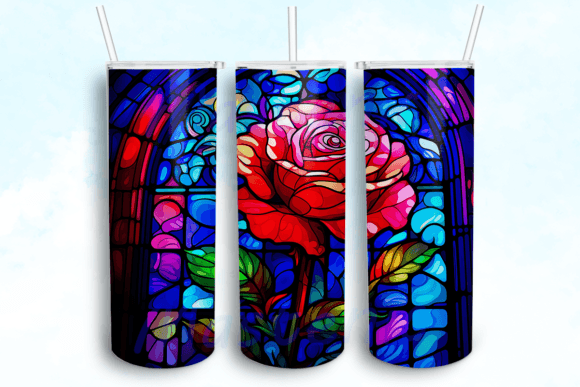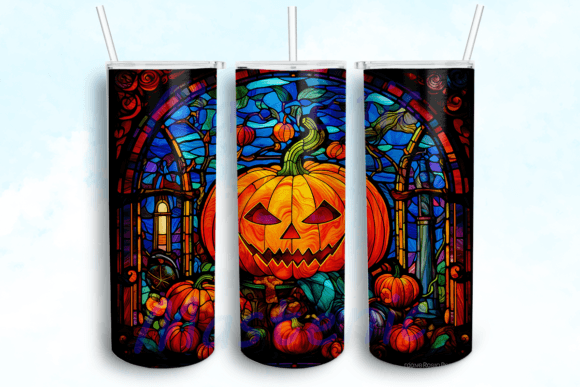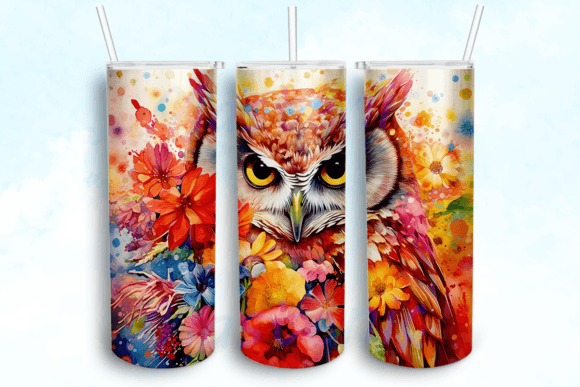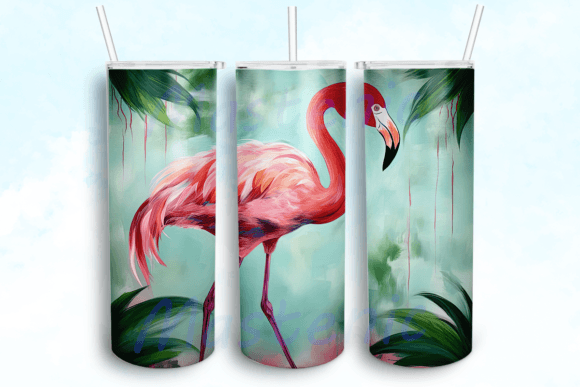
Flamingo 20oz Skinny Tumbler PNG
A Designer’s First Glance: Light, Playful—but Built for Real Stitching
When I opened Flamingo 20oz Skinny Tumbler PNG, my eye went straight to the clean silhouette and gentle curve of the flamingo’s neck—it’s not cartoonish, not overly stylized, but confidently graphic. The composition feels intentional: tall enough to anchor a vertical surface like a tumbler or tote bag, yet lean and balanced—no visual heaviness. That makes sense, given its origin as a Graphics asset designed for Crafts. It reads as cheerful without tipping into cutesy, which matters when you’re embroidering for boutique baby items or wedding guest favors. I immediately pictured it stitched onto a linen tea towel for a bridal shower gift—soft thread, subtle sheen, just enough personality to feel handmade but not loud.
Where This Design Shines in Real Embroidery Projects
Flamingo 20oz Skinny Tumbler PNG isn’t just a tumbler graphic—it’s a versatile embroidery file that translates beautifully to apparel and home goods. On a heavyweight cotton sweatshirt? Yes—the height (9.3″) gives room for confident satin stitch along the beak and leg contours. On a woven cotton apron? Absolutely—the tapering shape follows natural drape lines, especially if you rotate it slightly to echo the curve of a pocket edge. I’ve used similar proportions for embroidered patches on denim jackets, and this would hold up well with a tight fill stitch and light stabilizer.
For Etsy sellers and small shop owners, this design works especially well as a personalized gift anchor: pair it with monogrammed initials below, or layer it beside a short phrase like “Pink & Proud” for a custom baby onesie. Its scale also supports clean holiday embroidery—think pastel Easter baskets or spring-themed kitchen towels. Because it’s delivered as both straight and tapered PNGs, you’re covered whether you’re digitizing for flat panels (like pillow covers) or curved surfaces (like caps or mugs). Just remember: PNGs aren’t embroidery files out of the box—you’ll need to digitize them properly before stitching.
Where to Proceed Thoughtfully
This design has charm, but it’s not universally forgiving. On thin fabric like lightweight rayon or single-layer voile, those long, slender legs and delicate wing edges may ghost or pucker without extra stabilizer support. On stretchy fabric—say, a ribbed knit baby onesie—test first: the narrowest parts of the flamingo could distort under tension. And while the 9.3″ x 8.2″ size is ideal for tumblers and larger tote bags, it’s too tall for most standard hoops used on caps or children’s hats unless you split or resize thoughtfully.
Dark fabric demands attention too. Since the original PNG is likely optimized for light backgrounds, check contrast in your digitizing software—especially around feather details. You may need to boost stitch density slightly in lighter areas to avoid “see-through” gaps after embroidery. And if you plan to use it on layered garments (like a reversible tote), confirm that the fill stitch won’t bleed through to the underside.
How It Shapes Perception—and Sales
As an embroidery designer who’s reviewed hundreds of digital assets, I can tell you this: Flamingo 20oz Skinny Tumbler PNG elevates perceived value when executed well. It reads as intentional, not clip-art. That builds customer trust—especially for handmade product buyers who associate clean graphics with professional craftsmanship. For craft fairs or boutique branding, it adds a cohesive, modern note without shouting. On a holiday gift set (towel + mug + embroidered napkin), it ties pieces together visually, reinforcing brand consistency—even if you’re not running a formal label.
That said, its success hinges on execution. A rushed stitch-out with poor thread color choice (e.g., pale pink thread on blush fabric) will mute its impact. But get the balance right—crisp satin stitch on the beak, smooth fill in the body, and clean running stitch for fine accents—and it becomes a quiet standout. Buyers notice that polish. They also remember it: the flamingo motif is recognizable, friendly, and seasonally flexible, making it more giftable than trend-dependent designs.
Practical Notes Every Embroidery Designer Should Keep Handy
- Always test first—stitch Flamingo 20oz Skinny Tumbler PNG on scrap fabric matching your final project’s weight and texture.
- Check thread color contrast across light and dark mockups—not just on screen, but in real lighting.
- Review stitch density in narrow zones (neck, legs) to prevent gapping or puckering.
- Confirm your hoop size accommodates the full 9.3″ height—or plan how to split and re-register if needed.
- Inspect small details at 200% zoom in your embroidery software: does the beak tip hold definition? Are wing feathers legible at stitch scale?
- Try a black-and-white version: if it reads clearly without color, you’ve got strong design assets.
- Use appropriate stabilizer—cutaway for knits, tear-away for stable wovens, and maybe topping for textured fabrics like terry cloth.
- Verify licensing terms before selling finished items or bundling the PNG into your own digital embroidery file pack—this listing states it’s for tumbler use, but commercial reuse may require clarification.
Final Thought: A Quietly Confident Asset for Makers Who Value Clarity Over Clutter
Flamingo 20oz Skinny Tumbler PNG won’t shout from a craft fair table—but it will draw people in. It’s the kind of design that looks effortless because it’s well-proportioned, mood-appropriate, and built for translation into thread. Whether you’re a solo Etsy seller stitching personalized gifts, a craft business owner developing seasonal collections, or a hobbyist building confidence with machine embroidery design, this asset earns its place in your library—not as filler, but as a reliable, quietly expressive tool. Just remember: great embroidery starts with smart prep, not just pretty pixels. Treat it with intention, and it’ll reflect that care right back to your customer.