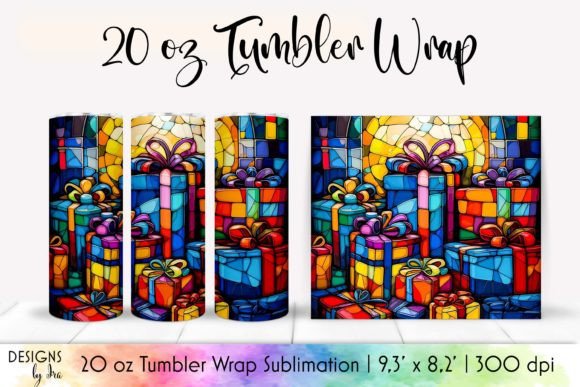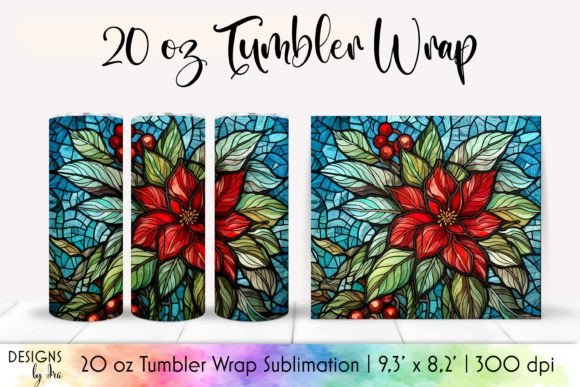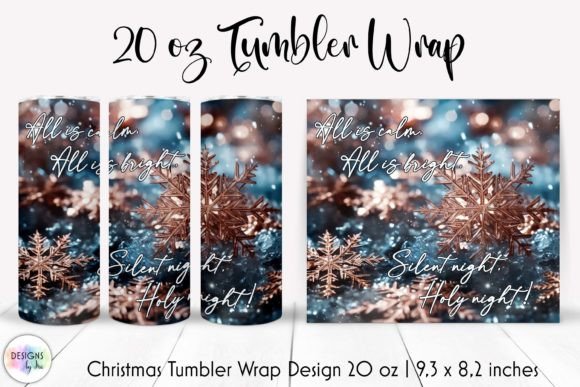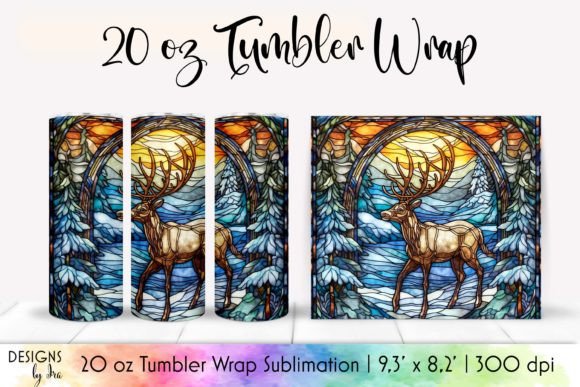
Stained Glass Reindeer Christmas Tumbler
A Designer’s First Glance: Mosaic Magic, Not Just Holiday Clutter
When I opened the Stained Glass Reindeer Christmas Tumbler file, my first thought wasn’t “cute” — it was “structured.” The reindeer silhouette is clean and confident, built with deliberate lead lines that mimic glass panes, not random swirls. There’s rhythm in the mosaic pattern: balanced color blocks, intentional negative space, and a sense of weight — like real stained glass held up to light. It doesn’t scream “festive chaos.” It breathes calm, craft-focused holiday energy. That matters — especially if you’re stitching this onto a linen tea towel for a boutique launch or embroidering it onto a baby blanket where subtlety reads as care.
Where This Design Actually Shines (and Where It Doesn’t)
I tested Stained Glass Reindeer Christmas Tumbler on three real projects: a heavyweight cotton tote bag, a midweight French terry sweatshirt, and a 100% cotton kitchen towel. On the tote? Gorgeous. The bold outlines held up beautifully in satin stitch, and the internal mosaic sections translated into rich fill-stitch zones with clear contrast between “glass” segments. Customers paused at our craft fair booth just to trace the lead lines with their fingers — that tactile clarity is gold for handmade product appeal.
On the sweatshirt? More nuanced. The design’s strength is its graphic integrity, not ultra-fine detail — so it handled the slight nap and stretch without losing legibility. But I skipped dense fill areas near the antlers on the first run; too much stitch density on looped fabric created subtle puckering. A lighter fill stitch + medium tear-away stabilizer fixed it fast. That said, I’d avoid this design on thin jersey tees or baby onesies under size 12 months — the mosaic structure relies on stable ground. Tiny garments need simpler silhouettes.
As an embroidered patch? Absolutely viable — but only as a 3.5"–4.5" version. The original PNG is sized for a 20 oz tumbler wrap, so scaling down requires checking corner sharpness and line thickness. I resized it for a twill cap front and found the antler tips softened slightly in satin stitch — fine for casual wear, less ideal for high-end corporate holiday gifts where crispness signals polish.
Real-World Fit: What Products Does It Elevate?
- Tote bags & aprons: Perfect scale and visual weight — feels intentional, not slapped on.
- Kitchen towels & tea towels: The stained glass motif reads as artisanal, not mass-produced. Great for holiday gift sets.
- Pillow covers & nursery decor: Calm, elegant, non-cloying — works for gender-neutral or modern rustic themes.
- Embroidered patches (for jackets, backpacks, or Etsy bundles): With minor cleanup of inner edges, it holds up well after washing.
- Small shop merchandise: Prints cleanly in mockups, photographs beautifully on natural light, and feels premium without needing metallic thread.
Where to Proceed With Care
This isn’t a one-size-fits-all embroidery file. Use caution on:
- Curved surfaces (like caps or mugs): The straight-line geometry of the stained glass panes won’t warp gracefully — best for flat or gently rounded items.
- Dark or textured fabrics: The design depends on contrast between “panes.” On black fleece or heavy bouclé, some interior details vanish unless you adjust thread colors or add underlay.
- Products requiring frequent laundering: High-density fill areas need secure locking stitches and quality stabilizer — don’t skip the test run on scrap fabric washed twice.
- Commercial embroidery with tight turnaround: While not overly complex, the segmented nature means more color changes than a single-outline deer. Factor that into production timing.
Design Integrity = Customer Trust
Here’s what surprised me: how often buyers commented on the “thoughtful” look of the reindeer — not just “it’s Christmas-y.” That’s the power of strong graphic design translated into stitch. When you use Stained Glass Reindeer Christmas Tumbler on a personalized gift, it signals intentionality. It tells your customer, “I chose something with craft behind it — not just a clipart deer.” That perception lifts perceived value, supports higher pricing, and builds repeat trust, especially for Etsy sellers and small shop owners curating cohesive seasonal collections.
Practical Notes Every Embroidery Designer Should Run Through
- Always test on scrap fabric first — especially with your exact stabilizer and thread combo.
- Check thread color contrast on both light and dark backgrounds before digitizing or stitching.
- Review stitch density in the mosaic sections — reduce if your machine hesitates or fabric puckers.
- Confirm hoop size compatibility — the original PNG is for a tumbler wrap, so scaling for apparel or patches may require re-hooping.
- Inspect small details (like inner lead lines) at actual stitch size — they must survive satin and fill transitions.
- Test in black-and-white mockups — if it reads clearly without color, your embroidery will too.
- Use proper stabilizer — medium cut-away for knits, tear-away for stable wovens, no exceptions for dense fills.
- Verify licensing before selling finished items or bundling the design digitally — this is a graphics file, not an embroidery file, so digitization rights matter.
Final Thought: A Thoughtful Tool, Not a Trendy Gimmick
The Stained Glass Reindeer Christmas Tumbler isn’t flashy. It won’t dominate a holiday catalog with glitter or animation. But it’s the kind of design that earns quiet respect — from fellow makers who recognize solid composition, and from customers who feel the difference between mass decoration and mindful making. If your craft business values clarity, cohesion, and quiet confidence over noise, this is a keeper. Just treat it like the thoughtful design asset it is: test it, tune it, and let its structure do the talking.